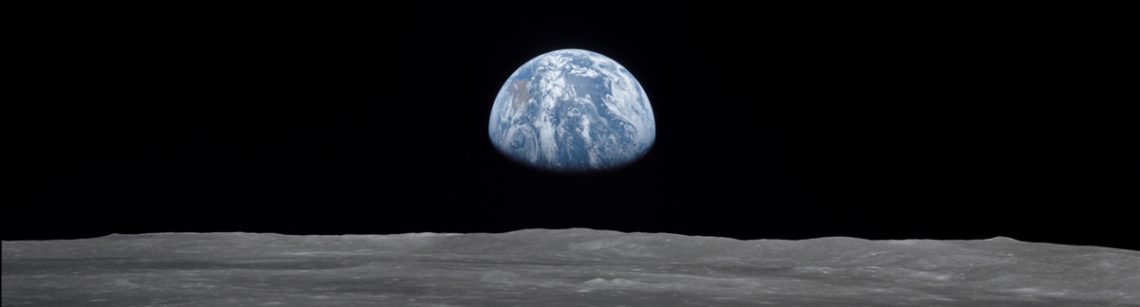
I took several political science/theory classes as an undergraduate student, and I was fortunate to have a professor who was very interested in political theory as relates to the “bigger questions”. For example, what’s the purpose of government? In Greece, philosophers contended that the purpose of government was to create the “good life” for its citizens. The subject of this writing is a pair of related concepts called the Is and the Ought. The Is refers to our current circumstances, such as a conservative government, job we like or don’t like, and what we ate for breakfast, etc. The Ought refers to what we would like our circumstances to be. These ideas are simple, but very powerful, because they provide us with a tool for separating our desires from our present circumstances. Many times, these things are in conflict, and this leads to depression, anger, and sometimes violence. I bring this up because I often have trouble separating the two, and that this is an important first step for me toward peace. I think we have to always deal with the present, the Is, keeping the Ought in mind as a guide. For instance, when my children misbehave, I have to try to work through the situation, keeping in mind that the behavior shouldn’t be disregarded, but also that my response should be tempered by the type of relationship I want to have with them. If we simply punish, then they may not repeat the behavior, but they may also be afraid the next time they step out of line. Another example is that the state of the world can sometimes get us down (there are plenty of examples to point to here). The Is is less than ideal. But we must deal with our current world keeping the Ought in mind. My Ought is a just, peaceful world, where people respect each other and the Earth. I can’t achieve this Ought by alienating those around me who disagree.
A major point I would like to make is that we can never take shortcuts to achieve the Ought. We cannot achieve peace through war, which is a way of imposing our will on others without their consent. We cannot raise loving children through violence and punishment. I see these type of methods as an act of frustration, and wanting the Ought “now”. At the same time, I understand that there are many people in the world who would not seek my same Ought, and so throwing down our weapons might actually move us away from a more peaceful world. All in all, a complex problem. This is what I mean by “no shortcuts”. The only way I see to achieve my Ought is through daily efforts at peace and kindness, and handling these conflicts with this end in mind.

 Sean M. R. Crowell